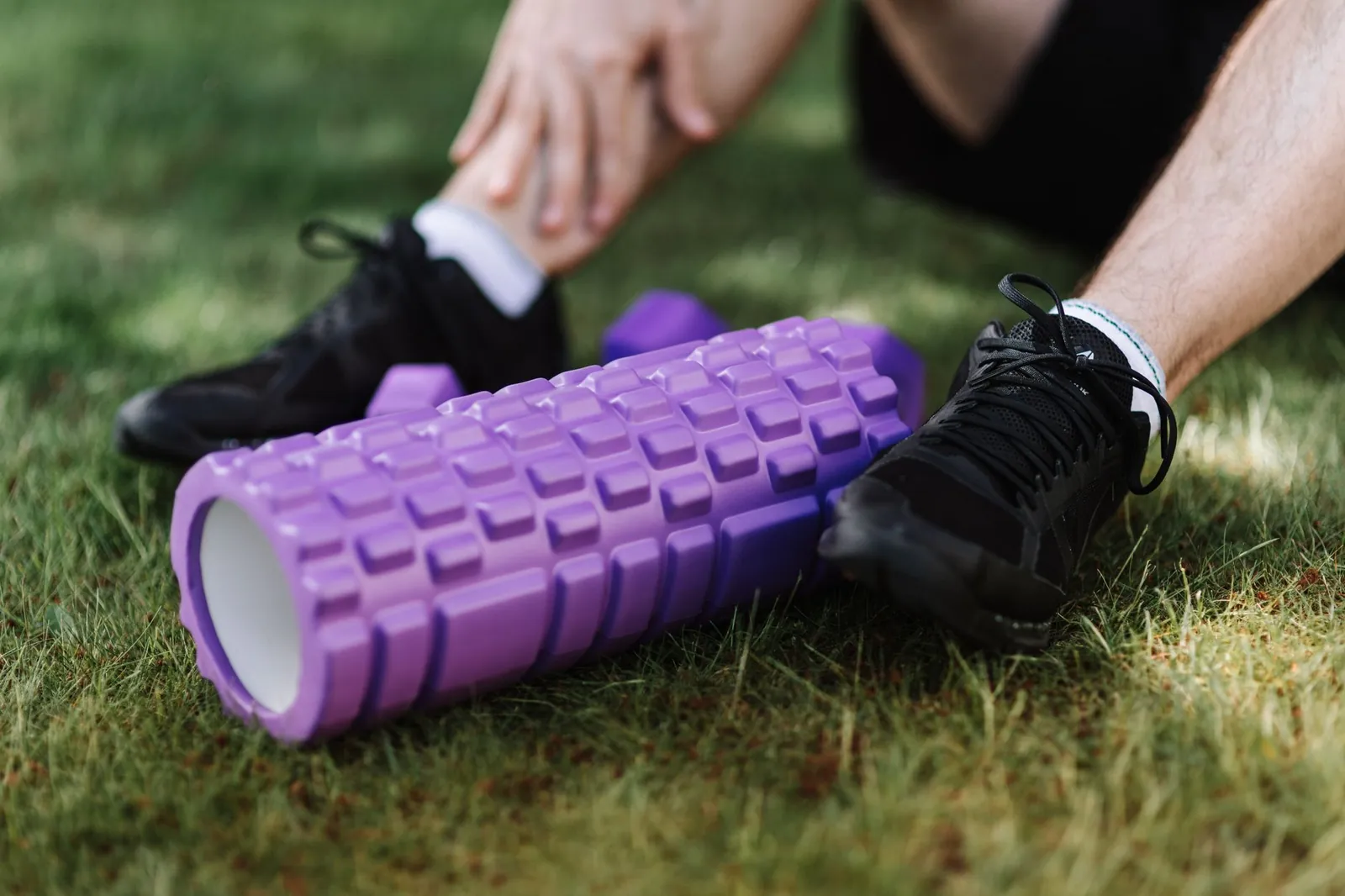
You can push your muscles hard for years, but your joints keep the receipts. Knees, hips, shoulders and the lower back are the hinges everything else moves around, and when one of them starts complaining, your whole routine grinds to a halt. The good news is that active people who look after their joints tend to keep moving well long after their peers have started avoiding the stairs. Looking after them isn't complicated or medical — it's mostly a matter of warming up properly, moving through a full range regularly, and being sensible about how fast you add load. This article is about keeping the hinges working so the training you enjoy today is still available in twenty years.
Motion keeps joints healthy
There's an old assumption that exercise "wears joints out", like tyres on a car. For healthy joints, the opposite is closer to the truth: they thrive on being used. Cartilage has no direct blood supply and relies on movement to pump nutrients in and waste out, so regular, varied motion is how a joint feeds itself. The people who stiffen up early are usually the ones who stopped moving, not the ones who moved too much. The aim, then, isn't to protect your joints by using them less — it's to keep them strong and mobile by using them well.
Warm up like you mean it
The most common way to irritate a joint is to load it cold. Going straight from the sofa into hard squats or a fast run asks tissues that are stiff and unprepared to do their hardest work first. A few minutes of easy movement changes that entirely: light cardio to raise your temperature, then some gentle swings and circles through the joints you're about to use. Leg swings before a run, arm circles and easy push-ups before pressing, a few bodyweight squats before loaded ones. It costs five minutes and spares you a lot of grief.
Joints don't wear out from being used. They stiffen from being ignored, and they get injured from being surprised.
Build strength around the joint
A joint is only as safe as the muscles that steer it. Strong quads and glutes take load off the knee; a strong upper back and rotator cuff keep the shoulder tracking cleanly; a braced core protects the lower back under everything. This is why strength training, done sensibly, is protective rather than risky — it builds the support structure that keeps joints aligned when life throws a heavy suitcase or an awkward lift at you. Don't neglect the smaller, unglamorous muscles either. The stabilisers around the hips and shoulders rarely get a headline but they do a lot of the quiet work of keeping you injury-free.
Mobility beats raw flexibility
Being able to move a joint through its full range under control is worth more than raw flexibility. Spend a little time each week taking your hips, shoulders and ankles through their available range — deep squats to sit in, slow shoulder circles, ankle rocks. A body that can reach the positions it needs is far less likely to be forced into a bad one under load. Ten minutes of this a couple of times a week is plenty for most people.
A short joint-friendly warm-up
Two minutes of brisk walking or marching, ten leg swings each side, ten arm circles each way, ten slow bodyweight squats, and a few easy lunges. Do it before anything strenuous and your first hard rep won't be a cold shock.
Respect the load, not the ego
Most nagging joint pain in active people comes from doing too much, too soon — a sudden jump in mileage, weight or intensity that the tissues hadn't caught up to. Muscles adapt quickly; tendons and joints take longer. Add distance or load gradually and give new activities a few weeks to settle in before pushing them. Learn the difference, too, between the honest ache of effort and a sharp, specific joint pain that says stop. Training through the first is normal; training through the second is how a small niggle becomes a long lay-off. Backing off for a week is cheap. A stubborn injury is not.
None of this is about wrapping yourself in cotton wool. Active, capable joints come from moving often, warming up first, building the muscle that supports them, and adding challenge at a pace they can handle. Do that and the hinges keep working, quietly, for decades — which is the whole point of staying in shape in the first place.